
Why This Choice Matters More Than It Seems
A survey tool may look like a small decision, but it shapes more than just how you collect answers. It affects how your brand feels, how easy it is for people to respond, and how useful the results are once they come in.
That is why the right choice matters. Some brands need a survey experience that feels polished and interactive. Others need something simple, familiar, and fast. And some need a tool that goes further into research, publishing flexibility, and embedded website use.
The best platform is not the one with the most features in general. It is the one that supports the kind of experience you want your audience to have and the kind of insight your business actually needs.
Start With the Experience You Want to Create
Before comparing tools, it helps to think about the kind of interaction you want your audience to have with your brand.
Do you want the survey to feel visually refined and on-brand? Do you want something quick and familiar that almost anyone can open without explanation? Or do you want a more research-focused tool that can live on your site, be shared in multiple ways, and support broader feedback workflows?
That is where these three tools begin to separate. Typeform positions itself around beautiful, interactive forms and surveys, with templates, no-code creation, and branding options. Google Forms focuses on easy survey creation, collaboration, and real-time analysis inside the Google ecosystem. SurveyNinja presents itself as a no-code survey builder with templates, link sharing, QR codes, website embeds, analytics, and broader research-oriented use cases.
So the smartest question is not which survey tool is “best.” It is which one fits your brand best.
Typeform: Best for Brands That Care About Presentation
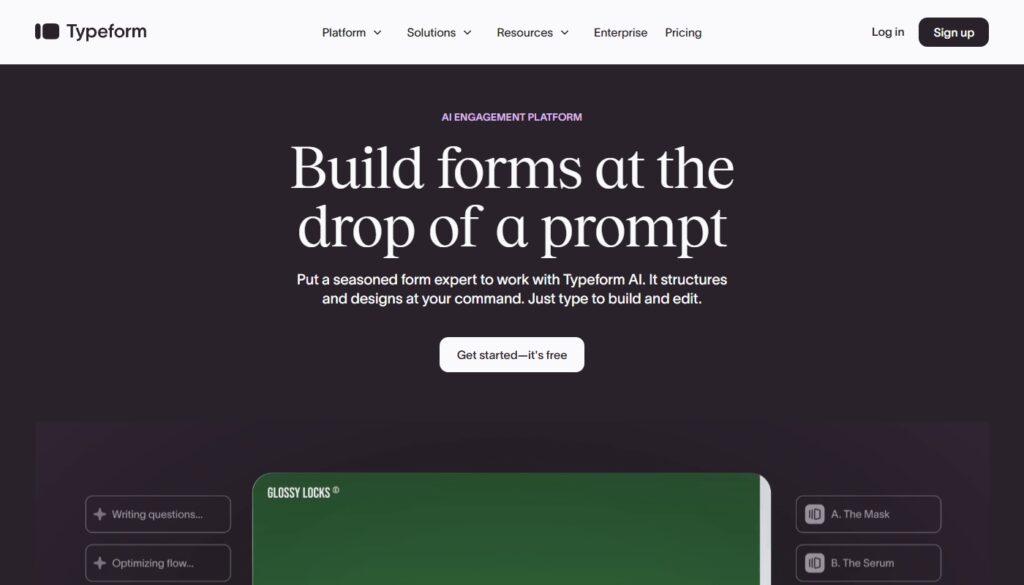
Typeform is often the strongest choice for brands that want surveys to feel polished, engaging, and more visually aligned with the rest of their identity. The platform describes itself as a builder for beautiful, interactive forms and surveys, with templates for research, feedback, lead generation, and quizzes, plus no-code creation and AI-assisted setup. It also emphasizes branding and customization, including on-brand forms and surveys.
From a brand perspective, that makes Typeform especially appealing when the experience itself matters. If your survey is part of a premium customer journey, a refined onboarding flow, or a branded feedback touchpoint, Typeform tends to feel more intentional than a basic form.
It is often the best fit for brands that want feedback collection to feel elegant rather than purely functional.
Google Forms: Best for Speed and Simplicity
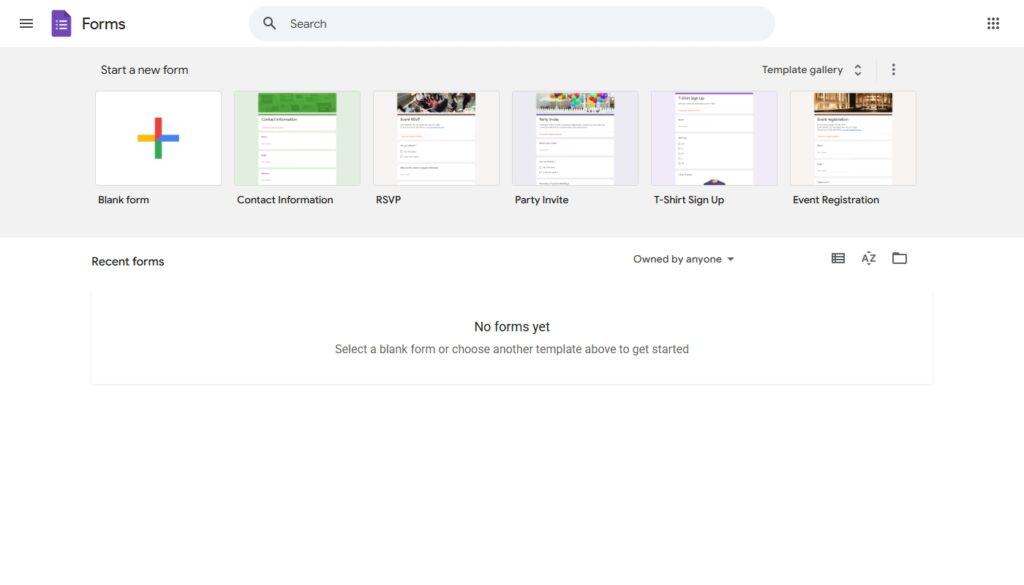
Google Forms is usually the best fit when the priority is ease, familiarity, and fast setup. Google describes it as a way to easily create online forms and surveys, share them, and analyze responses in real time from any device. It also supports collaboration, so teams can build and review forms together in a way that feels natural for businesses already using Google Workspace.
That simplicity is its main strength. Google Forms works well when the survey does not need to feel highly branded or particularly designed. If the goal is to gather responses quickly, test a few questions, or run a practical internal or external survey without much setup, it is often the easiest path.
For some brands, that is exactly the right choice. Not every survey needs to be an experience. Sometimes it just needs to work.
SurveyNinja: Best for Brands That Want More Research Flexibility
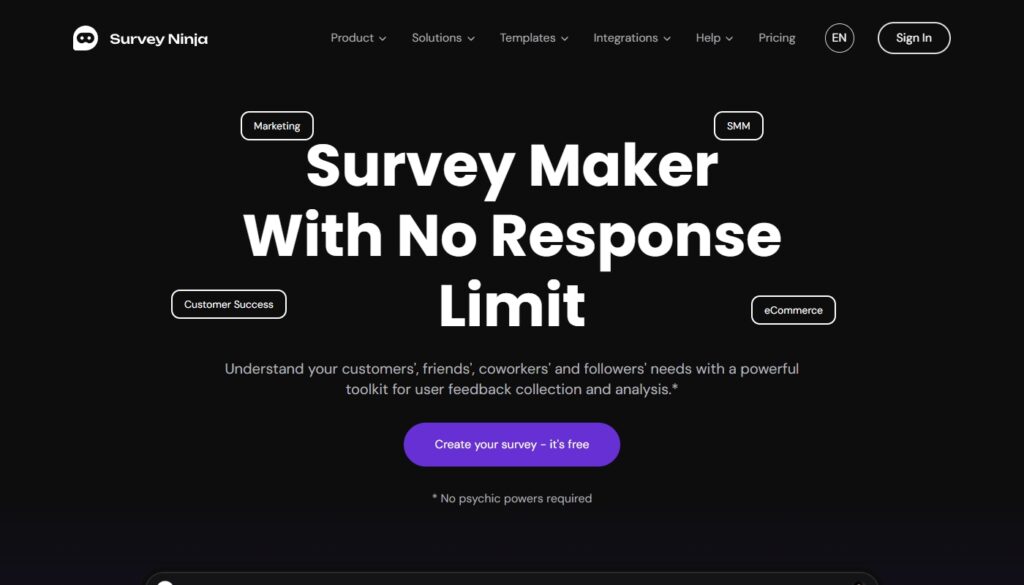
SurveyNinja is often the best fit for brands that want something more specialized than a simple form, but not necessarily as presentation-driven as Typeform. The platform positions itself as a no-code survey builder with templates, embeddable surveys, sharing by link or QR code, and built-in analytics. It also highlights research-focused use cases such as market research, customer feedback, product evaluation, and audience analysis.
That makes it appealing for businesses that want their survey tool to support more than one kind of task. A brand might use it for website feedback, campaign research, customer satisfaction, or idea testing without changing platforms. SurveyNinja also promotes exports, collaboration, and integrations, which can make it more practical when surveys are part of a broader business process rather than a one-off form.
It tends to fit brands that want more flexibility in how surveys are published and used, especially when research and website integration matter as much as the survey itself.
Which Tool Fits Different Types of Brands
If your brand is visual, polished, and experience-focused, Typeform is often the most natural choice. It works well when the survey should feel like an extension of the brand rather than a separate utility.
If your brand is practical, fast-moving, or already deeply tied to Google Workspace, Google Forms is often the easiest option. It is a strong fit when clarity and speed matter more than visual styling.
If your brand needs surveys as part of broader feedback or research workflows, SurveyNinja may be the better fit. It offers more flexibility in distribution and a stronger survey-first focus than a general-purpose form tool.
This is why the better question is not which platform has more features. It is which one supports the kind of brand interaction you actually want to create.
What to Prioritize Before You Decide
When choosing between these tools, look beyond the form editor itself. Think about how the survey should feel for the person filling it out. Consider whether branding matters, whether the survey needs to live on your website, and whether you will need stronger analytics or more flexible publishing later.
It also helps to think about how your team will use the results. If the survey is mainly for quick internal feedback, simplicity may matter most. If it is part of your public-facing brand experience, presentation matters more. If it supports research, testing, or ongoing customer insight work, flexibility and reporting become more important. Those differences are reflected in how Typeform, Google Forms, and SurveyNinja position their products today.
A good survey tool should not only collect responses. It should feel appropriate for your brand and useful for your next decision.
Final Thoughts
Typeform, Google Forms, and SurveyNinja can all work well. The real difference is the kind of experience they naturally support.
Typeform is the stronger choice for branded, interactive presentation. Google Forms is the stronger choice for speed, familiarity, and simplicity. SurveyNinja is the stronger choice for brands that want a more flexible, research-friendly survey platform with multiple publishing options.
The right tool is the one that makes feedback easier to collect, easier to understand, and more aligned with the way your brand already communicates.